Desi Bhabhi Face Covered And Fucked By Her Devar Mms Scandal Link Instant
Consulting with a privacy attorney can help determine if copyright laws, defamation statutes, or "right of publicity" laws can be used to force the removal of the video.
Users begin the process of "doxxing"—scouring the internet to match the face in the video to LinkedIn profiles, Facebook pages, and local employment records.
To understand the keyword in context, let's examine three real-world archetypes where a dominated social media discussion for weeks. Consulting with a privacy attorney can help determine
Victims of involuntary virality feel a profound loss of control over their own narrative and image.
As with any viral sensation, the internet's creativity was unleashed, with memes and jokes sprouting up left and right. Some users believed the person was experiencing a moment of extreme pain, while others thought they were simply making a funny face. The video was Photoshopped and edited into various comedic situations, with some users even creating their own backstories for the mysterious individual. Victims of involuntary virality feel a profound loss
The wild part? The person has admitted nothing. Denied nothing. They’re just… silent. And that silence is driving engagement higher than any “statement” ever could. The mask became the story.
The phenomenon of a in viral videos and social media discussions typically stems from three major cultural drivers in 2026: the strategic rise of "faceless" digital marketing, concerns over AI-generated deepfakes, and the use of physical coverings as a form of social or political commentary. 1. The "Faceless" Marketing Trend The video was Photoshopped and edited into various
Once a video gains traction, the community response follows a highly predictable, self-reinforcing pattern across different platforms.
Other Books in Series

His Favorite Toy: Forced Feminization Stories

Walk Like A Sissy: Forced Feminization Stories

His New Toy: Forced Feminization Stories

The Sissy Secretary (Forced Feminization Stories)

The Doll Designer: Forced Feminization Stories

Coming Out as Amber: Forced Feminization Stories

Black(E)Mail: Forced Feminization Stories

Life in Her Heels (Forced Feminization Stories)

It's Hard Being a Sissy Housewife: Forced Feminization Stories

The SISSY Training Center (Forced Feminization Stories)
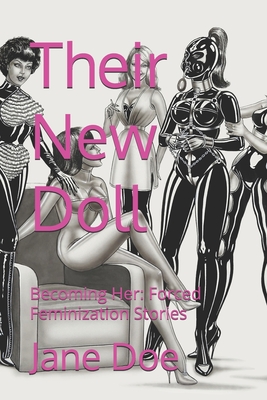
Their New Doll: Forced Feminization Stories

Sissy in Training: Forced Feminization Stories

Trained To Be A Sissy Pony: Forced Feminization Stories

The Sissy Hypno Witch: Forced Feminization Stories

Maid to be Mine: Forced Feminization Stories
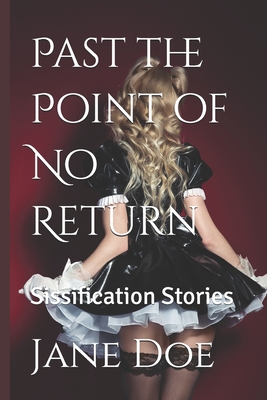
Past the Point of No Return: Forced Feminization Stories

The Queen of Sissy Hypnosis (Forced Feminization Stories)

The Sissy Slave Experience (Forced Feminization Stories)