
Fotos Fakes Xxx De Fanny Lu Exclusive ((exclusive))
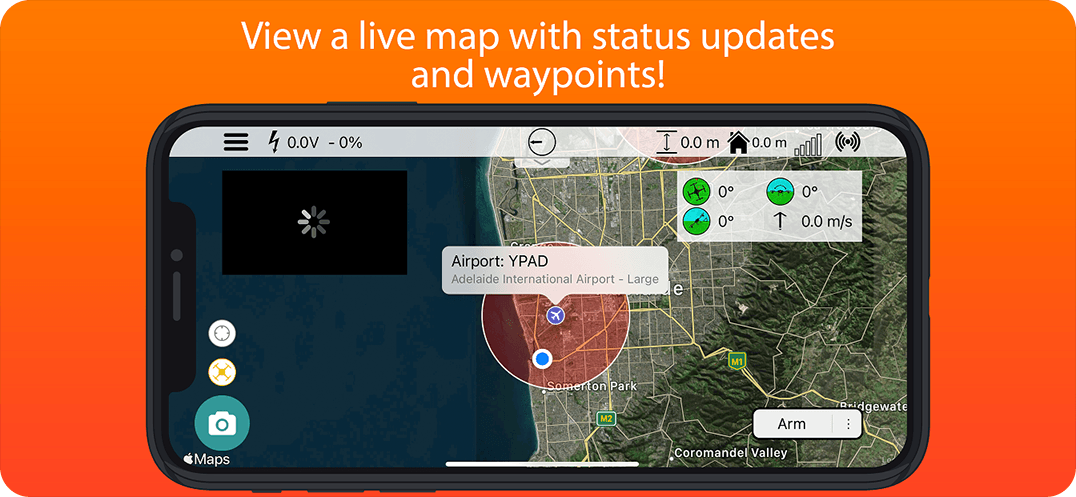
The easy way to connect to your drone using your iOS Device
The easy way to connect to your drone using your iOS Device
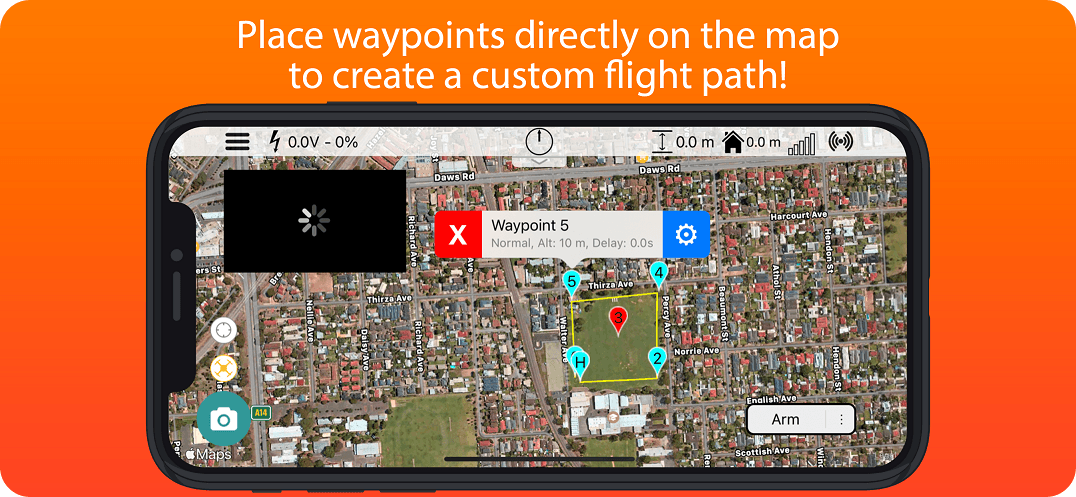
Plan out your mission easily on your device
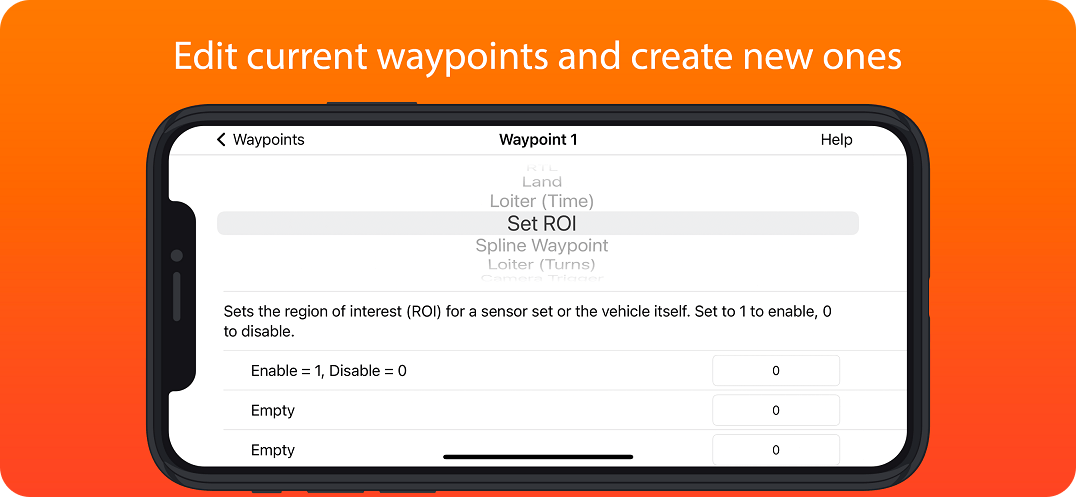
Edit and set your parameters without having to use a laptop
Log your flights easily, remembering your drones performance
You dont need to look at your screen to know if your battery is low or your mode has changed.

Fake photos permeate popular media in several distinct ways, ranging from harmless fan culture to malicious misinformation. 1. Faux Fan Art and Concept Stills
Fotos fakes, also known as fake photos or manipulated images, refer to images that have been altered or fabricated using photo editing software, artificial intelligence, or other digital tools. These images can range from simple edits, such as changing the background or adjusting the brightness, to more complex manipulations, like creating entirely new scenes or characters. Fotos fakes can be used to create fake news, propaganda, or entertainment content, and have become increasingly popular in the age of social media.
Popular media outlets often prioritize speed over accuracy. A scandalous, albeit fake, photo of a celebrity generates high engagement, which translates directly to ad revenue.
In the digital age, fakes often involve "perfecting" an image or creating situations that never happened: : In 2021, Madonna
Fans cannot trust "leaked" set photos, casting announcements, or behind-the-scenes content. Studios may exploit this by releasing deliberate fakes to mislead spoiler culture—creating a cat-and-mouse game that alienates audiences. fotos fakes xxx de fanny lu exclusive
Modern fakes often use "lo-fi" filters—intentional graininess or phone-camera angles—to mimic the look of a paparazzi shot, bypassing our natural skepticism of high-quality images. The Impact on Popular Media
The tools used to create altered media have evolved from rudimentary photo editing software into sophisticated artificial intelligence algorithms. Understanding how these visuals are generated helps contextualize their massive footprint in popular culture.
False photos can damage reputations, leading to "cancelled" celebrities or legal action [3].
Look for unnatural skin textures, warped backgrounds, inconsistent lighting, or strange shadows. Fake photos permeate popular media in several distinct
Flawless images raise suspicion. Creators intentionally add motion blur, low resolution, or digital artifacts to mimic a rushed, candid smartphone capture.
The creation of deepfakes is relatively straightforward. With the use of AI and ML algorithms, individuals can create realistic images or videos by training a model on a dataset of existing images or videos. The model can then be used to generate new images or videos that are similar in style and content to the original dataset. This process can be repeated multiple times, allowing the creation of highly realistic and convincing fake content.
[Real Media Input] ──> [Fan Editing Tools] ──> [Concept Art / Fan Fiction] ──> [Viral Community Engagement] Conceptual "What-If" Casting
Using tools like Google Reverse Image Search or TinEye can help determine if a photo has appeared before in a different context. These images can range from simple edits, such
Practical guidance for someone falsely accused or targeted by fake explicit images: steps to document, report, get images removed, legal remedies, and emotional support resources.
| Category | Example | Impact/Reaction | | :--- | :--- | :--- | | | Fake AI images of classic rock stars like Steven Tyler building a doghouse or Bob Dylan visiting Dick Van Dyke. | Fans were fooled by these "heartwarming" but entirely fabricated scenes, demonstrating how AI-generated images can tap into nostalgia and emotional connection to go viral. | | Film | AI-generated "leaks" of the DCU Green Lantern show, featuring actors Aaron Pierre and Kyle Chandler with power rings. | DC Studios head James Gunn publicly debunked them, highlighting the challenge creators face in combating fake content related to their own projects. | | Social Media Scams | Deepfake videos of Taylor Swift and Rihanna promoting fraudulent investment schemes and giveaways on TikTok. | These scams, where 7 out of 10 Americans have reportedly seen a deepfake, are used to steal personal information or money from unsuspecting fans. | | Political / Cultural | A manipulated movie poster for Wicked: For Good supposedly from Saudi Arabia, showing actresses Cynthia Erivo and Ariana Grande wearing black veils. | The fabricated poster, which was entirely fake, was used to imply a cultural controversy that did not exist, illustrating how fakes can be used to provoke false narratives. | | Sports | A fake image of cricket star Virat Kohli promoting a betting app. | The video was widely shared on social media despite being completely fabricated, showing how athletes are also vulnerable to having their likeness used for disreputable purposes. |
Fake photos have become a common occurrence in the entertainment industry, with many celebrities and public figures being victims of image manipulation. A study by the University of California, Berkeley found that 1 in 5 photos of celebrities circulating online are fake or manipulated. Social media platforms, in particular, have become breeding grounds for fake photos, with many users sharing and spreading manipulated images without verifying their authenticity.