
RetroArch is a modular program that runs emulators and games within its framework as if they were 'plugins'.
These plugins are called 'cores', and you need to install them inside RetroArch to be able to use them.
These cores can also be used in other programs that implement the Libretro Application Programming Interface (API).
Both Libretro and RetroArch were made by the same developers, and RetroArch serves to demonstrate Libretro's power and scope.
Despite significant cultural visibility, the transgender community faces distinct systemic hurdles that often require focused activism within and outside the broader LGBTQ+ movement.
The turning point of the modern LGBTQ+ rights movement—the 1969 Stonewall Riots in New York City—was catalyzed in large part by trans women of color, drag queens, and gender-nonconforming individuals. Icons like Marsha P. Johnson and Sylvia Rivera were at the forefront of resisting police brutality. They recognized that the fight for gay liberation was inseparable from the fight for gender freedom. Following Stonewall, Rivera and Johnson founded Street Transvestite Action Revolutionaries (STAR), providing housing and support to homeless queer youth and sex workers, establishing an early blueprint for intersectional community care. Distinguishing Gender Identity from Sexual Orientation
While the historical and cultural bonds between the trans community and the wider LGBTQ+ acronym are deep, the relationship has also experienced significant internal political friction. shemale big ass gallery
| Myth | Fact | | :--- | :--- | | “Being trans is a mental illness.” | Gender dysphoria is a recognized medical condition, but being trans itself is not an illness. The accepted treatment is transition, not conversion therapy. | | “Trans kids are too young to know.” | Many children have a stable sense of gender by age 3-5. Medical treatment for pre-pubertal kids is limited to social transition (name, pronouns). Puberty blockers are reversible and give teens time to decide. | | “Trans women are a threat in bathrooms.” | There is zero evidence of this. Trans people are far more likely to be victims of assault in bathrooms than perpetrators. | | “Non-binary isn’t real.” | Non-binary identities have existed across cultures for millennia (e.g., Two-Spirit people in many Indigenous nations, Hijras in South Asia). |
The rise of anti-trans legislation (bathroom bills, sports bans, healthcare restrictions) has, paradoxically, strengthened solidarity. Many LGB people see these attacks as the same playbook used against gay marriage and adoption—reinvigorating a united front. Johnson and Sylvia Rivera were at the forefront
When police raided the Stonewall Inn in Greenwich Village, New York City, it was the trans women of color, gender-nonconforming street youth, and lesbians who fought back first. Icons like Marsha P. Johnson and Sylvia Rivera became central figures of this resistance. Their anger transformed a routine police raid into a multi-day uprising that served as the catalyst for the modern gay liberation movement. Radical Organizing
2. Defining the Transgender Experience Within LGBTQ+ Culture The normalization of sharing pronouns (he/him
Trans artists often explore themes of bodily autonomy, transformation, and joy. Trans literature, from poetry to memoirs, offers profound insights into the human condition and the beauty of authenticity.
To understand this cultural landscape, one must first distinguish between gender identity and sexual orientation.
Should we focus more on or current legal challenges ? Share public link
The trans community has led the cultural shift toward more inclusive language. The normalization of sharing pronouns (he/him, she/her, they/them) and the linguistic adoption of the singular "they" have evolved from trans activism. This vocabulary allows individuals of all genders to navigate the world with greater authenticity. Media and Representation
RetroArch/Libretro has over 200 cores, and the list keeps expanding over time. These include game engines, games, multimedia programs and emulators.
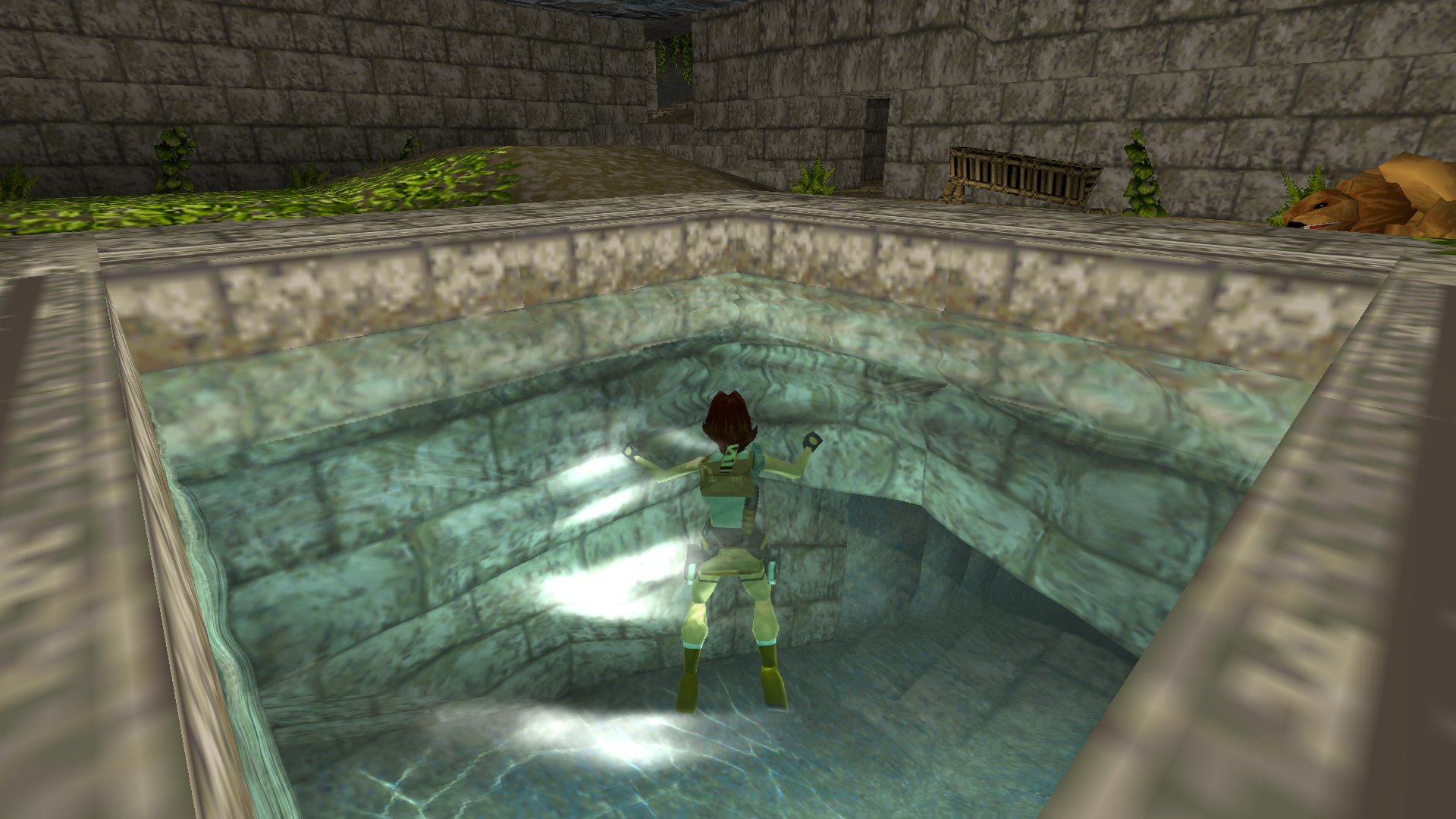
OpenLara is an early Tomb Raider game engine recreation.
Core available now for Windows/Linux.
For more information, read our article on this release here.
It uses the original data files in order to work. What is nice about this one is that it has some very fancy graphics effects added on top of the old game engine without it resulting in any stylistic clashes.

LRPS2 is a PlayStation2 emulator. It has a brand-new Vulkan-powered LLE renderer called ParaLLEl GS.
ParaLLEl-GS' goal is to be as accurate as software rendering but using the GPU instead of the CPU. Thanks to this we can also do enhancements which would be too slow to do on software, such as supersampled antialiasing and other enhancements.
For more information, read our article on this release here.

DOSBox Pure is an easy-to-use plug and play version of DOSBox written specifically for Libretro/RetroArch. It supports MS-DOS and Windows 9x games. You can use savestates and even rewind. Automatic game detection with custom gamepad to keyboard mapping for many DOS games.
For more information, read our article on this release here.

PX-68K is a Sharp X68000 emulator. This is a Japanese home computer from the late '80s/early '90s that was used by Capcom as devkits for their arcade games. It played host to many popular games from the likes of Namco, Konami and Capcom.
Core available now for Windows, macOS, Linux, Android and iOS.
For more information, read our article on this release here.
Despite significant cultural visibility, the transgender community faces distinct systemic hurdles that often require focused activism within and outside the broader LGBTQ+ movement.
The turning point of the modern LGBTQ+ rights movement—the 1969 Stonewall Riots in New York City—was catalyzed in large part by trans women of color, drag queens, and gender-nonconforming individuals. Icons like Marsha P. Johnson and Sylvia Rivera were at the forefront of resisting police brutality. They recognized that the fight for gay liberation was inseparable from the fight for gender freedom. Following Stonewall, Rivera and Johnson founded Street Transvestite Action Revolutionaries (STAR), providing housing and support to homeless queer youth and sex workers, establishing an early blueprint for intersectional community care. Distinguishing Gender Identity from Sexual Orientation
While the historical and cultural bonds between the trans community and the wider LGBTQ+ acronym are deep, the relationship has also experienced significant internal political friction.
| Myth | Fact | | :--- | :--- | | “Being trans is a mental illness.” | Gender dysphoria is a recognized medical condition, but being trans itself is not an illness. The accepted treatment is transition, not conversion therapy. | | “Trans kids are too young to know.” | Many children have a stable sense of gender by age 3-5. Medical treatment for pre-pubertal kids is limited to social transition (name, pronouns). Puberty blockers are reversible and give teens time to decide. | | “Trans women are a threat in bathrooms.” | There is zero evidence of this. Trans people are far more likely to be victims of assault in bathrooms than perpetrators. | | “Non-binary isn’t real.” | Non-binary identities have existed across cultures for millennia (e.g., Two-Spirit people in many Indigenous nations, Hijras in South Asia). |
The rise of anti-trans legislation (bathroom bills, sports bans, healthcare restrictions) has, paradoxically, strengthened solidarity. Many LGB people see these attacks as the same playbook used against gay marriage and adoption—reinvigorating a united front.
When police raided the Stonewall Inn in Greenwich Village, New York City, it was the trans women of color, gender-nonconforming street youth, and lesbians who fought back first. Icons like Marsha P. Johnson and Sylvia Rivera became central figures of this resistance. Their anger transformed a routine police raid into a multi-day uprising that served as the catalyst for the modern gay liberation movement. Radical Organizing
2. Defining the Transgender Experience Within LGBTQ+ Culture
Trans artists often explore themes of bodily autonomy, transformation, and joy. Trans literature, from poetry to memoirs, offers profound insights into the human condition and the beauty of authenticity.
To understand this cultural landscape, one must first distinguish between gender identity and sexual orientation.
Should we focus more on or current legal challenges ? Share public link
The trans community has led the cultural shift toward more inclusive language. The normalization of sharing pronouns (he/him, she/her, they/them) and the linguistic adoption of the singular "they" have evolved from trans activism. This vocabulary allows individuals of all genders to navigate the world with greater authenticity. Media and Representation