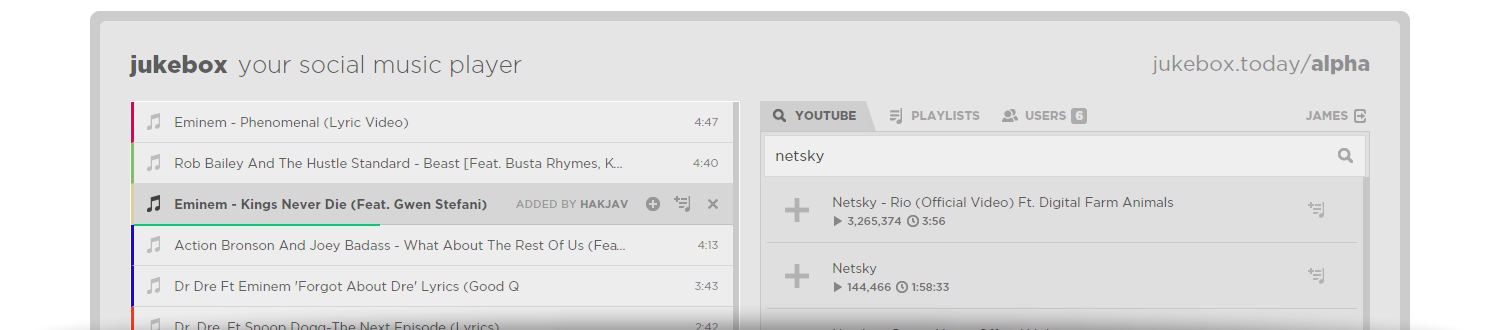
Jukebox is a social media player that lets you share music across limitless people, devices and speakers, whether they're in the same room or halfway across the world. Create & share your Jukebox now:
$user_id = isset($_SESSION['user_id']) ? (int)$_SESSION['user_id'] : null; $cart_id = $_SESSION['cart_id'] ?? null; $prod_id = isset($_POST['product_id']) ? (int)$_POST['product_id'] : 1; $qty = max(1, (int)($_POST['quantity'] ?? 1));
The user sees a clean, keyword-rich "slug" ( wireless-headphones ), while the server silently translates that slug in the background to find the correct database ID. This approach keeps the database structure hidden from potential attackers while maximizing search engine visibility.
// Extremely dangerous – do not use! $product_id = $_GET['id']; $query = "SELECT * FROM products WHERE id = $product_id"; $result = mysqli_query($connection, $query); Php Id 1 Shopping-
The PHP file cannot connect to the MySQL database to pull the ID. Broken SQL Query: Syntax errors in the SQL statement.
If your online shop uses PHP, you must secure your database parameters immediately. Use Prepared Statements $user_id = isset($_SESSION['user_id'])
To understand this phrase, it helps to break down the individual components of the URL:
If your shopping cart, order history, or user profile uses simple numeric IDs without ownership checks, you are vulnerable to IDOR. Fix it with . // Extremely dangerous – do not use
Database users should have minimal permissions. For a typical shopping application: